Sustainable Product Development: Overcoming Common Challenges


Understanding Sustainable Product Development
Sustainable product development is an increasingly critical focus for businesses aiming to reduce their environmental impact while still meeting consumer demands. This process involves designing and creating products in ways that minimize negative effects on the environment, conserve resources, and promote social responsibility.
However, despite its importance, sustainable product development presents several challenges. From sourcing eco-friendly materials to ensuring efficient production methods, companies must navigate a complex landscape to achieve sustainability goals.

Challenge 1: Sourcing Eco-Friendly Materials
One of the primary challenges in sustainable product development is finding and using eco-friendly materials. Many traditional materials are not biodegradable or require significant energy to produce, contributing to environmental degradation.
To overcome this challenge, companies must research and identify materials that are not only sustainable but also meet quality and cost requirements. Engaging with suppliers who prioritize sustainability can facilitate this process and ensure a steady supply of eco-friendly resources.
Innovative Material Solutions
Innovative solutions such as biodegradable plastics, recycled metals, and organic fibers are gaining traction. These materials help reduce waste and energy consumption. By investing in research and development, companies can discover new materials that align with their sustainability goals.

Challenge 2: Efficient Production Processes
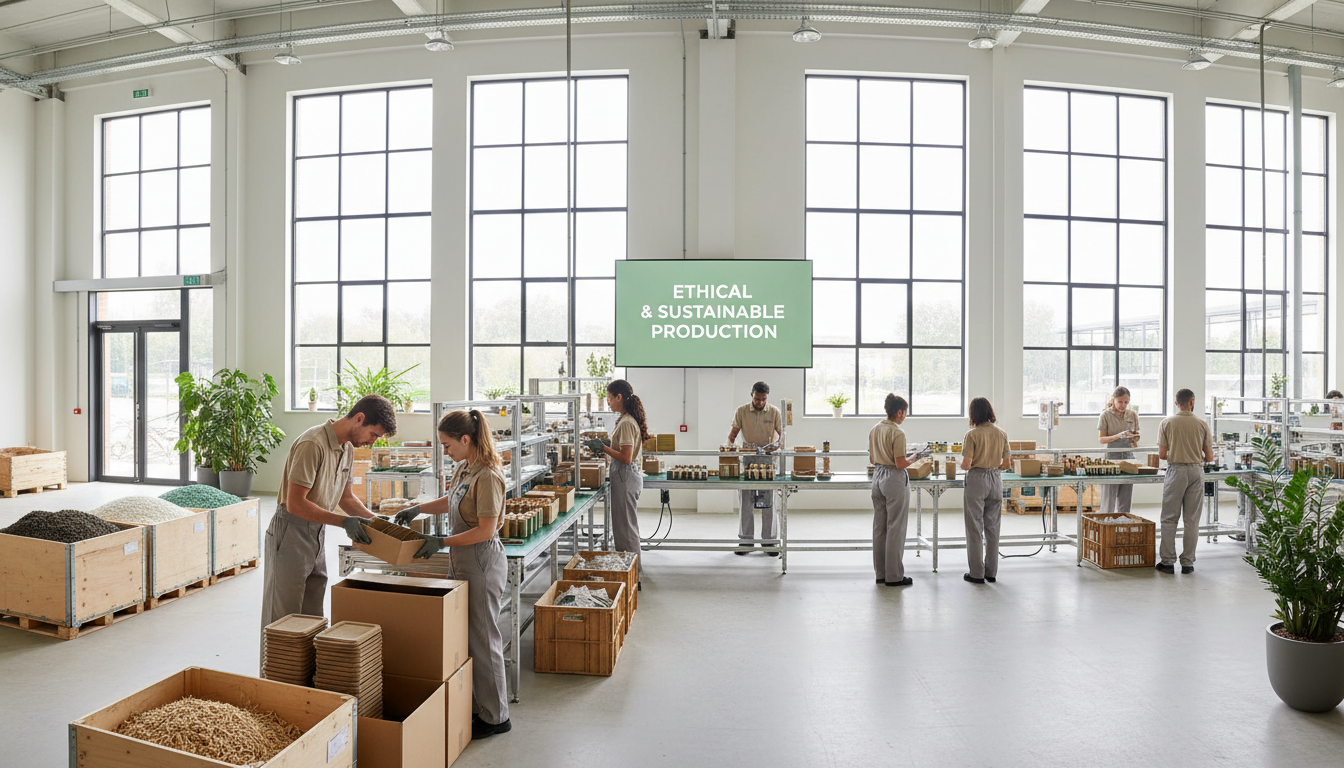
Another significant hurdle is implementing efficient production processes. Traditional manufacturing methods often consume large amounts of energy and produce substantial waste, making them unsustainable in the long term.
To address this, businesses can adopt lean manufacturing techniques that focus on minimizing waste and maximizing productivity. Additionally, incorporating renewable energy sources into production can significantly reduce the carbon footprint.
Technology and Automation
Leveraging technology and automation can further enhance production efficiency. Advanced machinery and AI-driven processes can optimize resource use, reduce errors, and increase overall efficiency, contributing to a sustainable production model.
Challenge 3: Consumer Education and Engagement
Consumer awareness and engagement play a crucial role in the success of sustainable products. Many consumers are still unaware of the benefits of sustainable products or are skeptical about their performance and value.
To overcome this, companies need to invest in consumer education. This can be achieved through transparent communication about product benefits, environmental impact, and efforts to promote sustainability.
Building Trust with Transparency
By being transparent about sourcing, production, and sustainability efforts, businesses can build trust with consumers. This trust is essential in encouraging consumers to choose sustainable products over conventional alternatives.

Conclusion: The Path Forward
While the path to sustainable product development is fraught with challenges, the potential benefits to the environment, society, and businesses themselves are significant. By addressing the core challenges of material sourcing, production efficiency, and consumer engagement, companies can successfully navigate the journey toward sustainability.
Ultimately, sustainable product development is not just a trend but a necessity. As more businesses commit to sustainable practices, the cumulative impact can lead to a healthier planet and a more sustainable future for all.