Integrating Smart Technology in Product Design: Trends and Innovations


Revolutionizing Product Design with Smart Technology
In recent years, the integration of smart technology into product design has transformed the way businesses and consumers interact with everyday items. This trend is rapidly evolving, driven by innovative advancements that promise to change how products are developed, used, and perceived. From smart home devices to wearable tech, the fusion of technology and design is creating products that are not only functional but also intuitive and personalized.
Emerging Trends in Smart Product Design
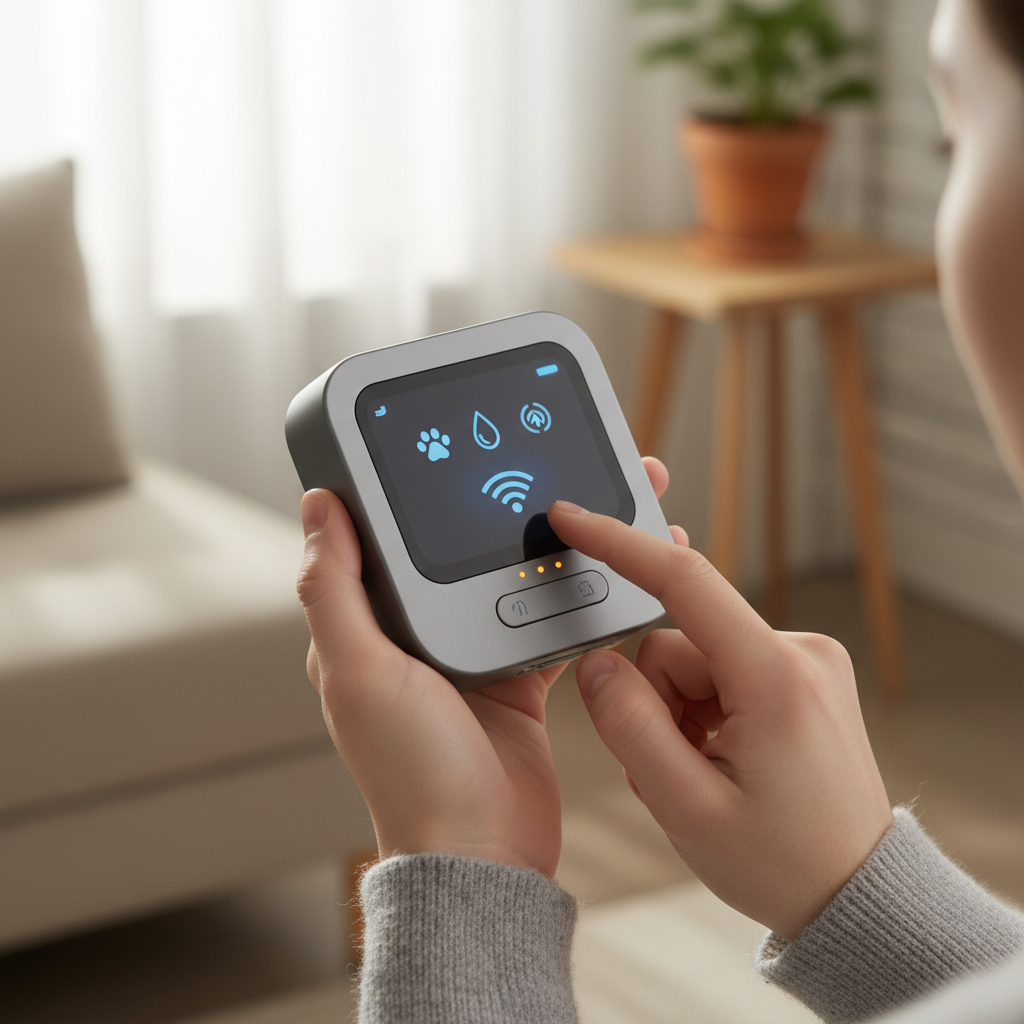
The rise of the Internet of Things (IoT) has been a game-changer in product design. IoT enables devices to connect and communicate with each other, creating a seamless user experience. This connectivity is being leveraged across various industries, leading to the development of smart appliances, vehicles, and health monitoring systems. Designers are focusing on creating products that can adapt to user preferences and behaviors, offering a more customized experience.
Another significant trend is the emphasis on sustainability. Smart technology is being used to create eco-friendly products that minimize environmental impact. For instance, smart thermostats and lighting systems optimize energy usage, reducing both costs and carbon footprints. Designers are increasingly prioritizing sustainable materials and processes to meet the growing demand for green products.
Innovations Driving the Future of Product Design
Artificial intelligence (AI) is at the forefront of innovations in product design. AI-driven products can learn from user interactions, improving functionality and efficiency over time. For example, AI-powered personal assistants can manage schedules, control smart home devices, and provide real-time information, all tailored to individual needs.

Augmented reality (AR) and virtual reality (VR) are also making waves in the design world. These technologies allow designers to create immersive experiences that can be used in prototyping and customer engagement. AR and VR are particularly valuable in industries such as retail and real estate, where visualizing a product or space can significantly enhance the customer experience.
Challenges and Considerations
While the integration of smart technology in product design offers numerous benefits, it also presents challenges. Designers must consider privacy and security, as connected devices can be vulnerable to cyber threats. Ensuring robust security measures is crucial to protect user data and maintain trust.

Additionally, there is the challenge of keeping up with rapid technological advancements. Designers must continuously update their skills and knowledge to stay ahead in a competitive market. Collaborative efforts between technologists and designers are essential to create products that are both innovative and user-friendly.
The Future of Smart Product Design
As smart technology continues to evolve, the possibilities for product design are limitless. The focus will likely shift towards creating even more personalized and adaptive products, leveraging data analytics and machine learning. The future of product design lies in creating seamless, integrated experiences that enhance everyday life.
In conclusion, integrating smart technology into product design is more than just a trend—it's a revolution. Businesses that embrace these innovations are poised to lead the market, offering products that not only meet but exceed consumer expectations.