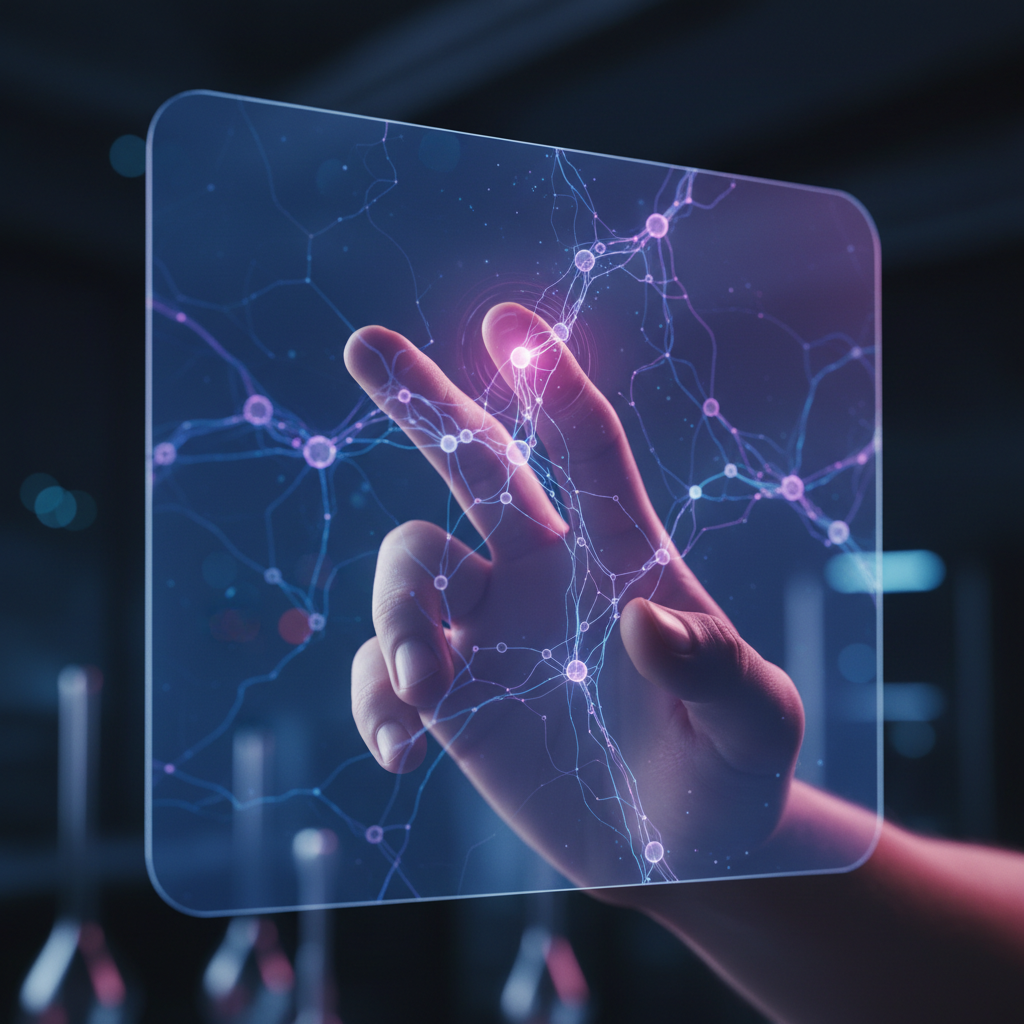
Integrating Smart Technology in Product Design: A Comprehensive Guide


Understanding Smart Technology in Product Design
In today's rapidly evolving market, integrating smart technology into product design has become a cornerstone for innovation. This approach not only enhances the functionality of products but also provides an engaging user experience. By understanding the essence of smart technology, designers can create products that meet modern consumer demands.
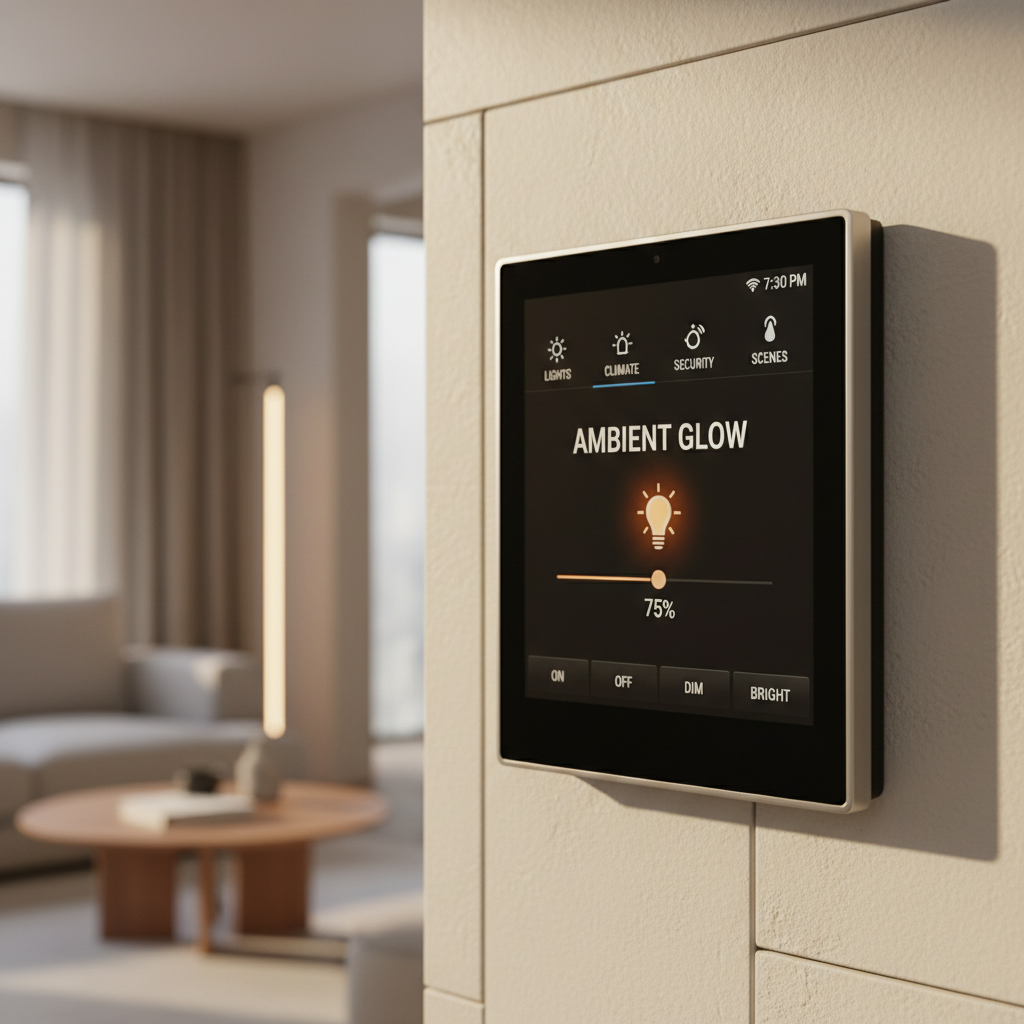
Why Integrate Smart Technology?
The integration of smart technology into product design offers numerous benefits. It allows for greater connectivity, enabling products to communicate with each other and with users. This connectivity leads to improved efficiency, convenience, and customization, making products more appealing to tech-savvy consumers.
Key Considerations for Integration
When incorporating smart technology, it's crucial to consider the user needs and the product's purpose. Designers must ensure that the technology enhances the product without complicating its primary function. It's also essential to maintain a balance between aesthetics and functionality.
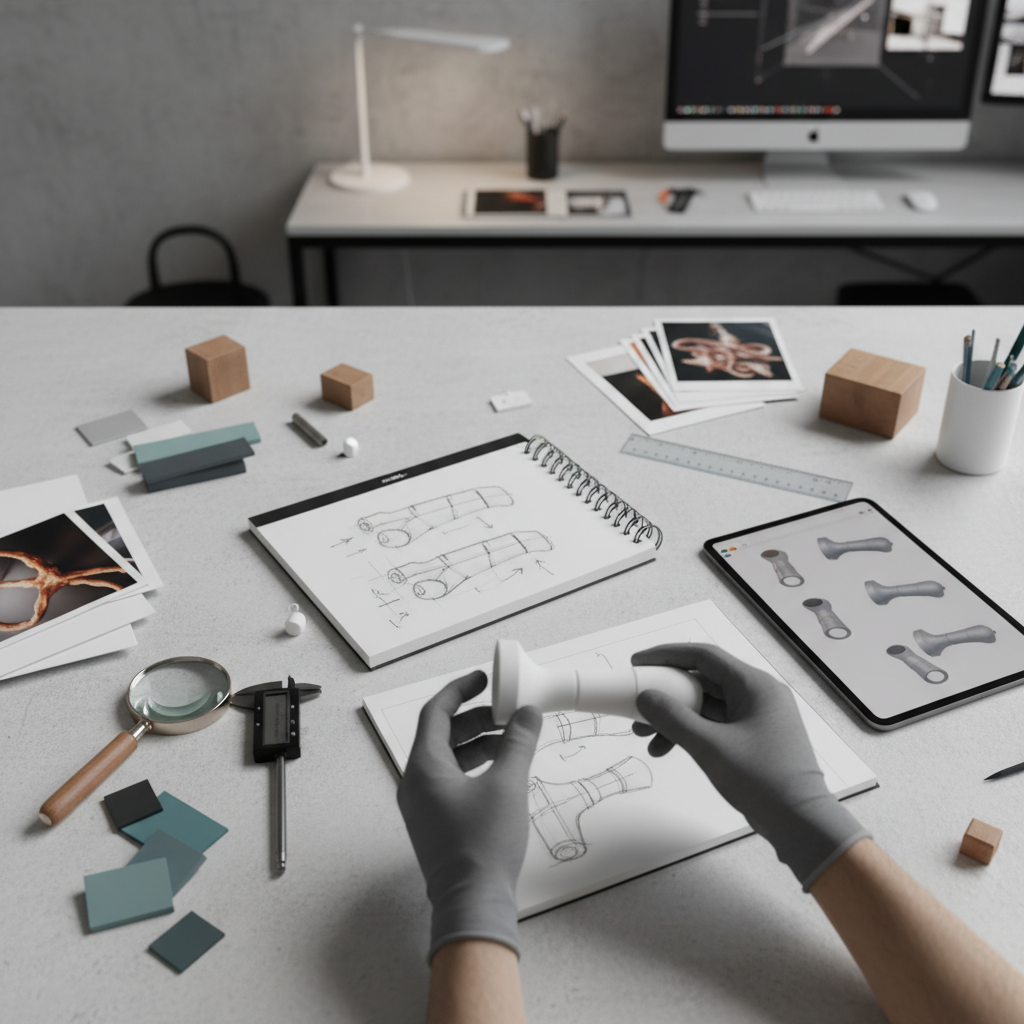
Steps to Integrate Smart Technology
To successfully integrate smart technology into product design, follow these steps:
- Research and Analysis: Understand the target audience and their needs.
- Concept Development: Brainstorm ideas that incorporate technology effectively.
- Prototyping: Create prototypes to test and refine the ideas.
- Implementation: Develop the final product with the integrated technology.
Challenges and Solutions
Integrating smart technology comes with challenges such as ensuring security, managing costs, and achieving interoperability. To address these, designers should prioritize robust security measures, focus on cost-effective solutions, and strive for compatibility with existing systems.
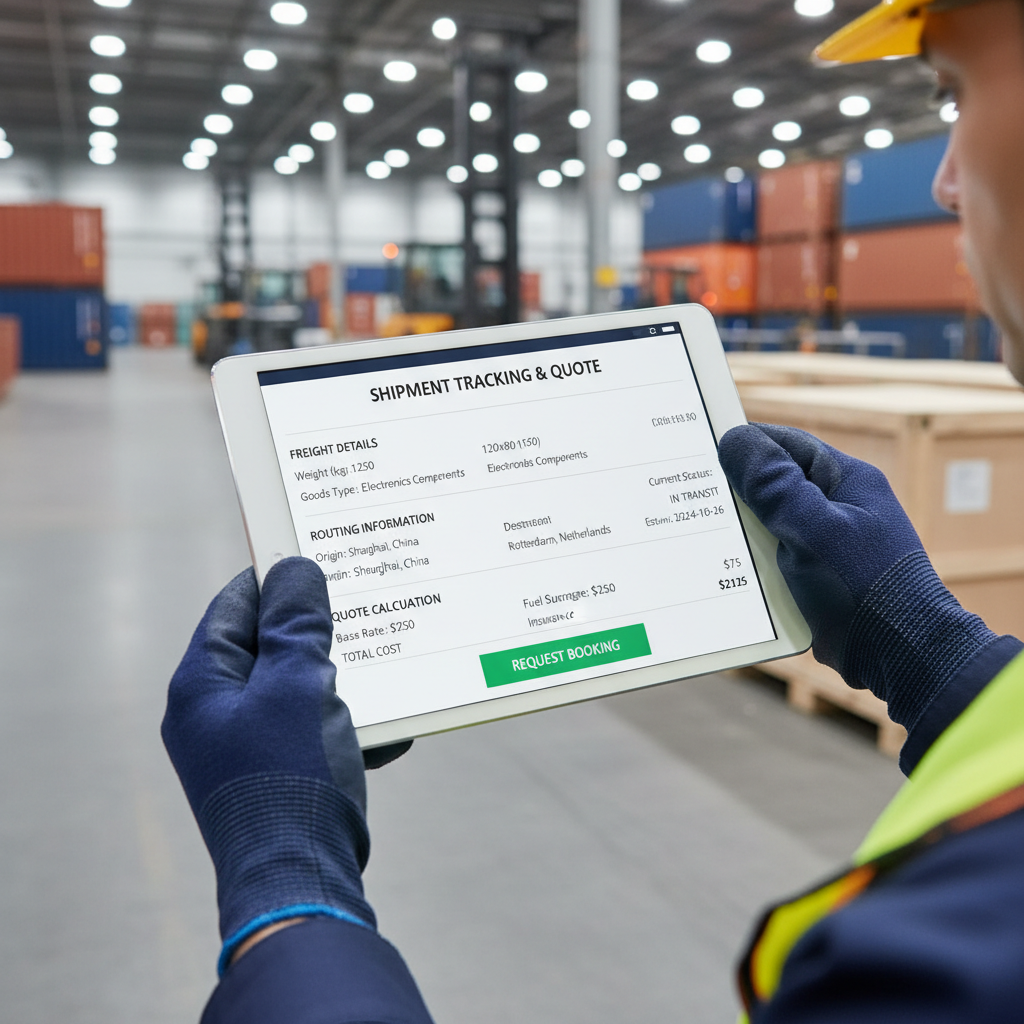
Future Trends in Smart Product Design
As technology continues to advance, we can expect to see increased integration of AI and IoT in product design. These advancements will enable products to become more intuitive and responsive to user needs, paving the way for even smarter and more adaptive solutions.
Conclusion
Integrating smart technology in product design is not just a trend but a necessity for staying competitive. By focusing on user experience, functionality, and innovation, designers can create products that not only meet but exceed consumer expectations.