Expert Tips: Maximizing the Benefits of Mechanical Design Engineering


Understanding the Fundamentals of Mechanical Design Engineering
Mechanical design engineering is a dynamic field that plays a crucial role in product development and innovation. It involves the application of principles from physics, mathematics, and material science to create functional and reliable mechanical systems. Understanding the fundamentals is essential for maximizing the benefits of mechanical design engineering in any project.
Embrace Advanced Technologies
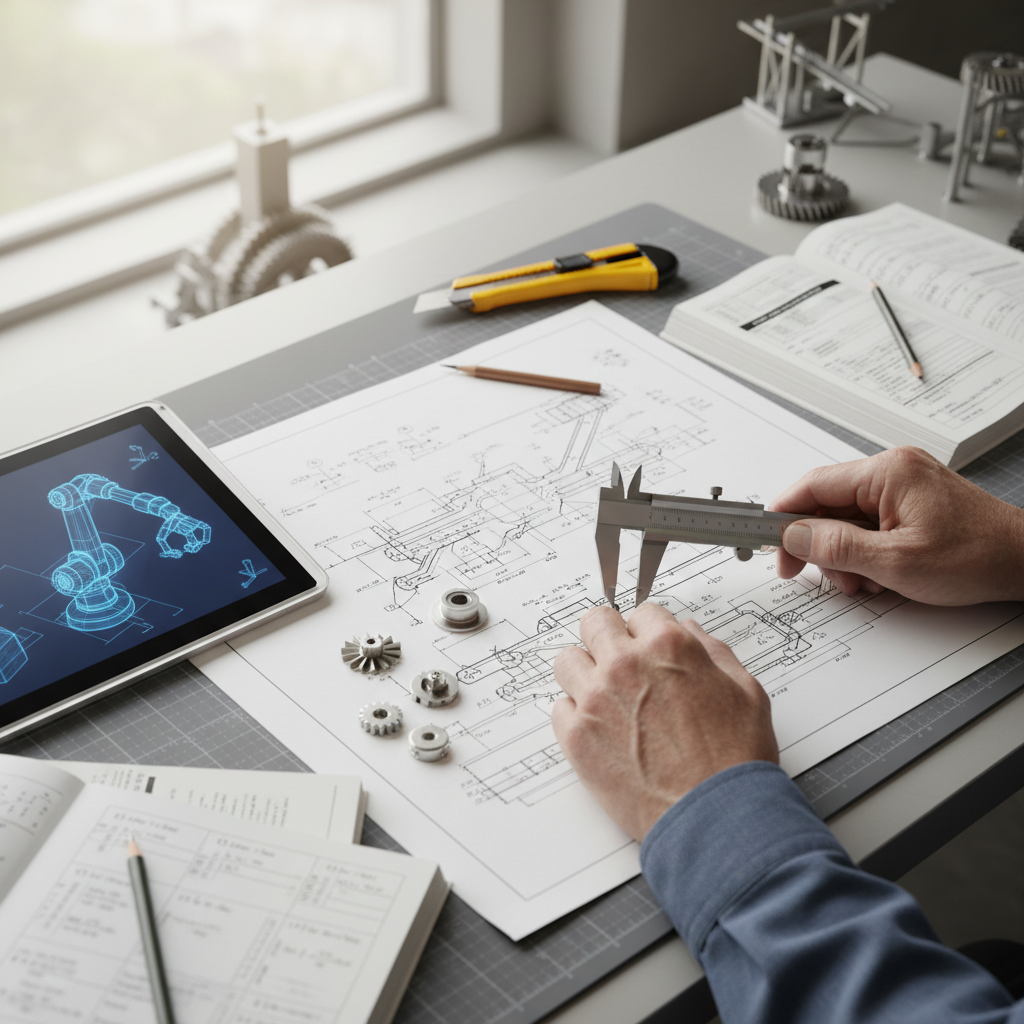
Incorporating advanced technologies such as CAD (Computer-Aided Design) and CAE (Computer-Aided Engineering) can significantly enhance the efficiency and accuracy of mechanical design processes. These tools allow engineers to create detailed 3D models, simulate real-world conditions, and make data-driven decisions. Staying updated with the latest software and tools can give designers a competitive edge.
Focus on Sustainability
With growing environmental concerns, integrating sustainable practices into mechanical design is more important than ever. Engineers can reduce the environmental impact by selecting eco-friendly materials, optimizing designs for energy efficiency, and considering the entire lifecycle of the product. Sustainable design not only benefits the planet but can also lead to cost savings and improved marketability.

Collaboration and Communication
Effective collaboration and communication among team members are critical to the success of any design project. Utilizing collaborative platforms and maintaining open lines of communication can help ensure that everyone is on the same page, reducing errors and improving productivity. Regular meetings and updates can facilitate smoother project progress and enhance team dynamics.
Continuous Learning and Development
The field of mechanical design engineering is constantly evolving, driven by technological advancements and changing industry needs. Engineers should engage in continuous learning through workshops, seminars, and online courses to keep their skills sharp. Staying current with industry trends and innovations can open up new opportunities and improve the quality of design work.

Implementing Best Practices
Adhering to best practices in mechanical design can lead to improved product quality and performance. Some key practices include:
- Conducting thorough research and analysis before starting a project.
- Following standardized design processes to ensure consistency.
- Performing rigorous testing and validation to identify potential issues early.
By incorporating these practices, engineers can enhance the reliability and functionality of their designs.
Leveraging Feedback and Iteration
Feedback is a valuable resource in the design process. By actively seeking input from peers, stakeholders, and end-users, engineers can identify areas for improvement and refine their designs accordingly. Iterative design, where prototypes are tested and refined multiple times, enables the creation of highly optimized products that meet user needs and expectations.
Conclusion
Maximizing the benefits of mechanical design engineering requires a strategic approach that combines technology, sustainability, collaboration, and continuous improvement. By implementing these expert tips, engineers can create innovative and efficient designs that meet the demands of today's complex and competitive market.