Expert Insights: Innovations in Mechanical Design Engineering


Revolutionizing the Future: Innovations in Mechanical Design Engineering
Mechanical design engineering is at the forefront of technological advancement, continually evolving to meet the demands of modern industry. With rapid advancements in technology, the field is experiencing a transformation driven by innovative approaches that promise to redefine engineering solutions. In this post, we explore some of the groundbreaking innovations currently shaping the landscape of mechanical design engineering.
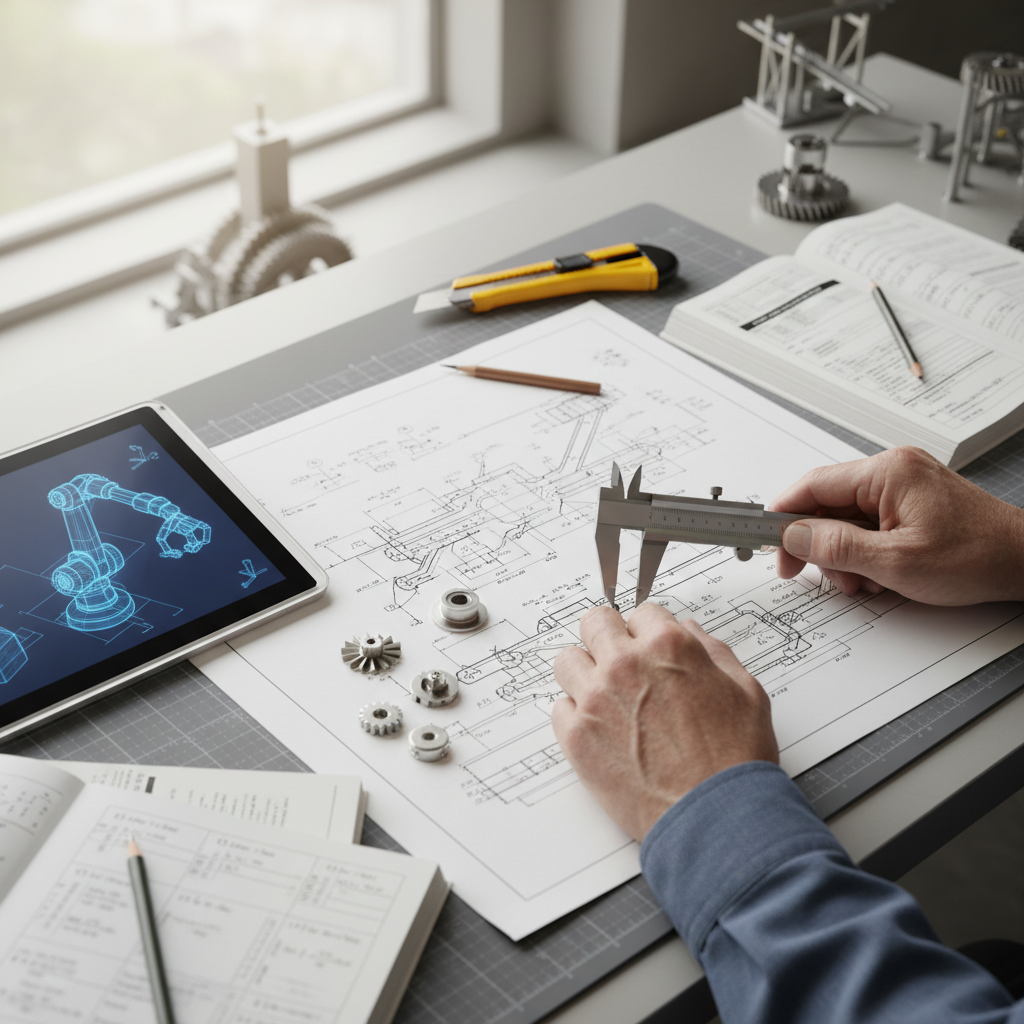
Simulation-Driven Design
One of the most significant changes in mechanical design engineering is the integration of simulation-driven design processes. By leveraging advanced simulation software, engineers can now predict the performance of their designs under various conditions, reducing the need for physical prototypes. This method not only saves time but also significantly cuts costs, allowing for more efficient and effective design iterations.
This approach empowers engineers to experiment with different materials, loads, and environmental factors, making it easier to optimize products before they reach production. The ability to simulate real-world scenarios ensures that designs meet safety and performance standards while pushing the boundaries of innovation.
3D Printing and Additive Manufacturing
3D printing has revolutionized the way mechanical components are designed and manufactured. This technology allows for the creation of complex geometries that were previously impossible or cost-prohibitive to produce using traditional methods. As a result, engineers can now design parts with enhanced functionality and reduced weight, which are crucial for industries like aerospace and automotive.
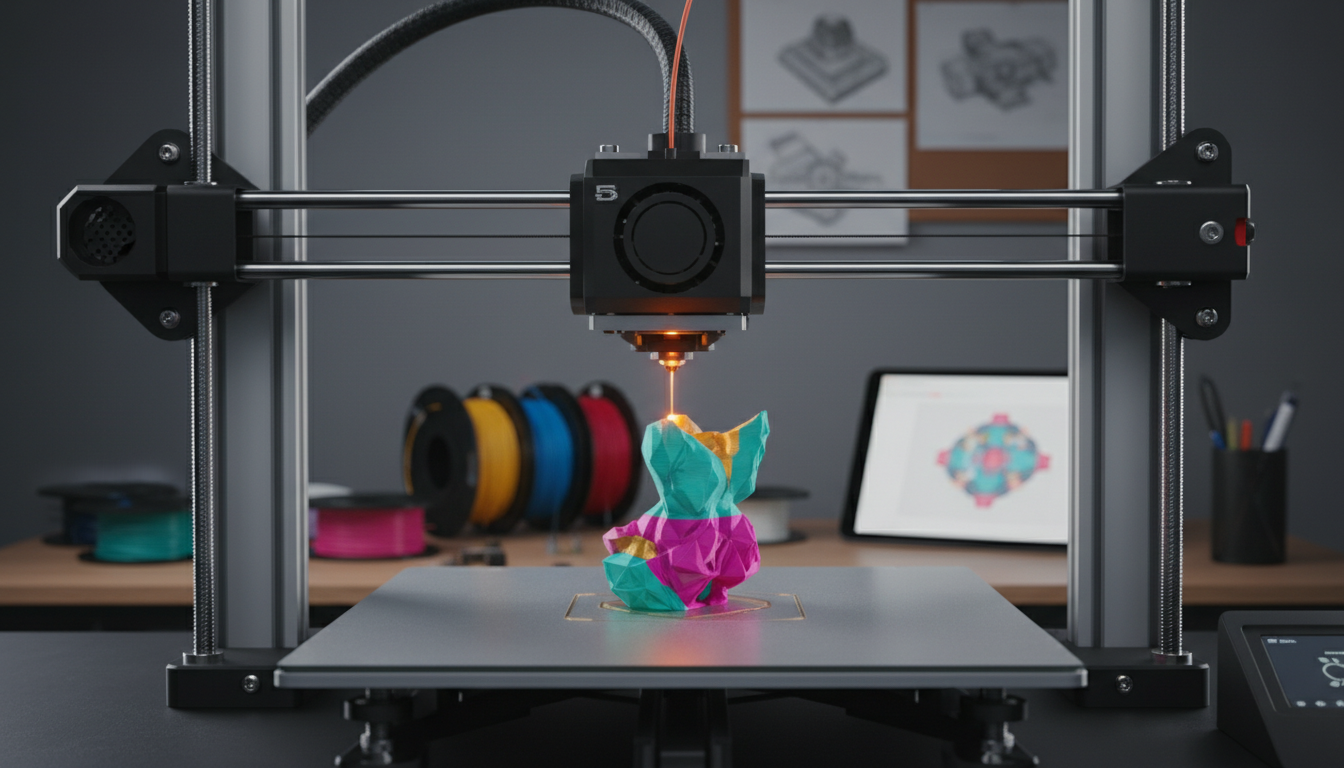
Additive manufacturing also promotes sustainability by minimizing waste, as materials are added layer by layer only where needed. This approach is paving the way for more sustainable manufacturing practices, aligning with the global push towards eco-friendly solutions.
Integration of AI and Machine Learning
The integration of artificial intelligence (AI) and machine learning into mechanical design is transforming how engineers approach problem-solving. These technologies enable the analysis of vast amounts of data to identify patterns and optimize design processes. AI-driven tools can suggest improvements and predict potential failures, enhancing reliability and performance.
Machine learning algorithms can also automate routine tasks, freeing engineers to focus on more complex challenges. By using AI, engineers can accelerate innovation cycles and bring products to market faster, maintaining a competitive edge in an ever-changing industry.

Internet of Things (IoT) and Smart Design
The Internet of Things (IoT) is another game-changer in mechanical design engineering. By embedding sensors and connectivity into products, engineers can create smart systems that collect and analyze data in real-time. This connectivity allows for predictive maintenance, reducing downtime and extending the lifespan of machinery.
Smart design also facilitates the creation of adaptive systems that respond to environmental changes, improving efficiency and user experience. The continuous feedback loop provided by IoT-enabled products helps engineers refine and innovate designs based on real-world usage patterns.
Sustainable and Green Engineering
As environmental concerns rise, mechanical design engineering is increasingly focusing on sustainability. Engineers are exploring new materials and energy-efficient designs to reduce the carbon footprint of products. This shift towards green engineering is driving the development of renewable energy solutions and the implementation of eco-friendly manufacturing processes.

By prioritizing sustainability, mechanical design engineers are not only contributing to environmental conservation but also meeting the growing consumer demand for responsible and sustainable products. This approach ensures that engineering solutions are aligned with the values of future generations.