A Comprehensive Guide to Mechanical Design Engineering for Beginners


Introduction to Mechanical Design Engineering
Mechanical design engineering is a fascinating field that combines creativity, technical knowledge, and problem-solving skills to develop innovative products and systems. For beginners, understanding the basics of this discipline is crucial to building a strong foundation. Whether you're aspiring to be an engineer or simply curious about the field, this guide will introduce you to the key concepts and practices that define mechanical design engineering.

The Role of a Mechanical Design Engineer
Mechanical design engineers are responsible for creating and testing mechanical systems and products. Their work spans from small components to large machinery, and they play a vital role in various industries, including automotive, aerospace, and manufacturing. By using principles of physics and materials science, they ensure that their designs are efficient, reliable, and cost-effective.
Key Responsibilities
Some of the core responsibilities of mechanical design engineers include:
- Conceptualizing and designing new products or systems
- Creating detailed drawings and specifications
- Collaborating with cross-functional teams
- Testing and evaluating prototypes
- Ensuring compliance with industry standards
Essential Tools and Software
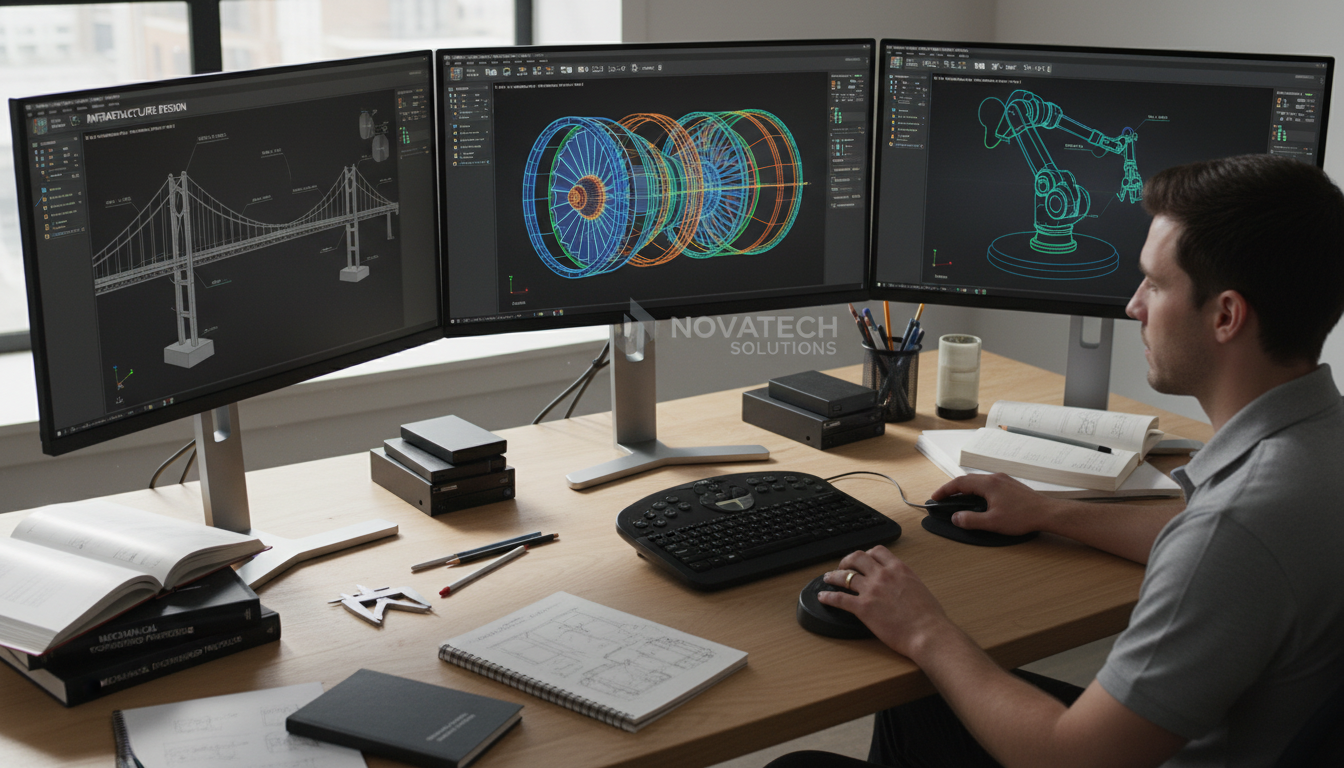
Modern mechanical design engineering heavily relies on advanced tools and software. Computer-aided design (CAD) software is one of the most essential tools, allowing engineers to create precise 3D models and simulations. Popular CAD programs include SolidWorks, AutoCAD, and CATIA. These tools help engineers visualize their designs and make necessary adjustments before moving to the production phase.
Simulation and Analysis
Beyond CAD, simulation software like ANSYS and MATLAB plays a crucial role in analyzing the behavior of designs under various conditions. These tools help engineers predict potential issues, such as stress points and thermal performance, ensuring that the final product meets all necessary requirements.
Understanding Materials and Manufacturing Processes
Mechanical design engineers must have a solid understanding of materials and manufacturing processes to create effective designs. Different materials have specific properties, such as strength, flexibility, and thermal conductivity, that influence their suitability for a particular application. Engineers must select the appropriate materials based on the design's requirements and constraints.
Manufacturing Techniques
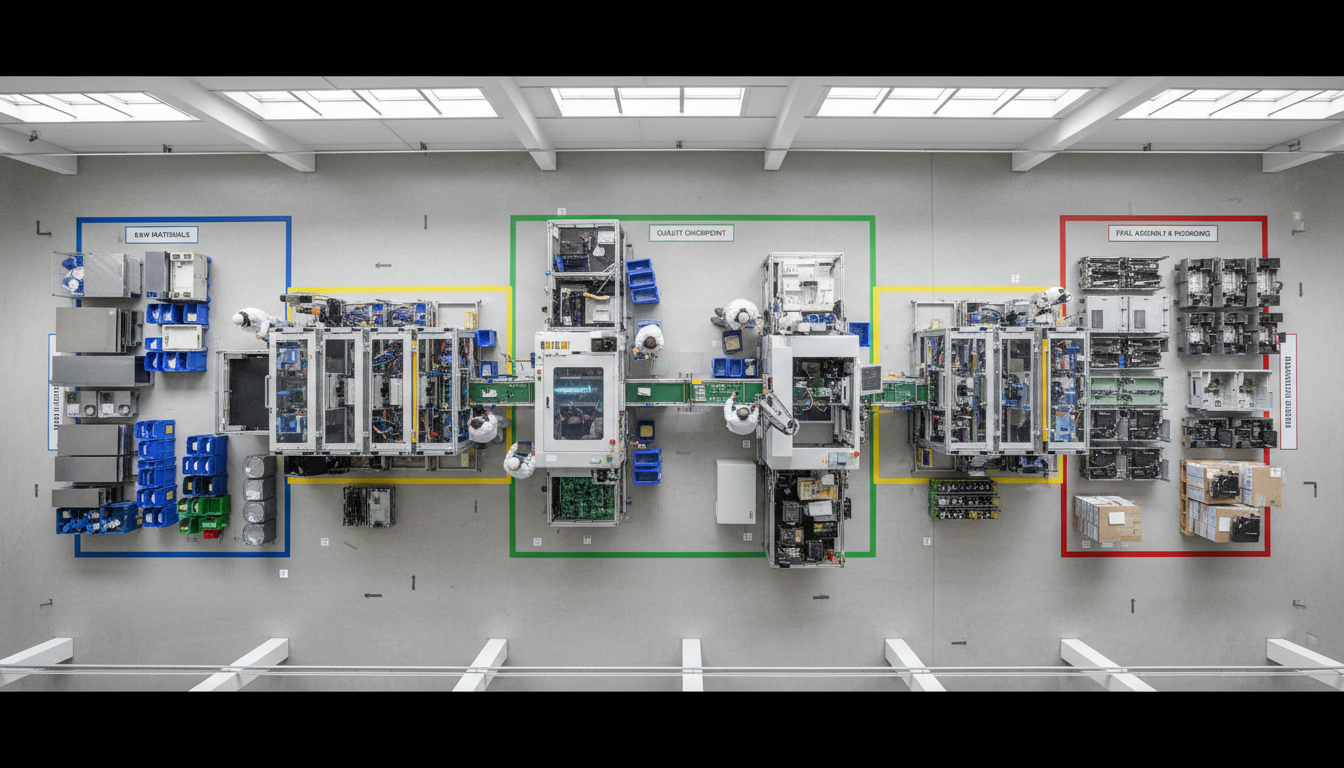
Understanding manufacturing techniques is equally important. Techniques such as machining, 3D printing, and injection molding each have unique advantages and limitations. By selecting the right manufacturing process, engineers can ensure that their designs are feasible and cost-effective.
Skills for Success in Mechanical Design Engineering
To excel in mechanical design engineering, certain skills are essential. Strong analytical skills and attention to detail are critical for understanding complex problems and developing effective solutions. Creativity and innovation are equally important, enabling engineers to design cutting-edge products that meet evolving market demands.
Communication and Teamwork
Communication and teamwork skills are vital, as mechanical design engineers often work in multidisciplinary teams. Being able to convey ideas clearly and collaborate effectively with others ensures the success of a project from concept to completion.
Conclusion
Mechanical design engineering offers a rewarding career path filled with challenges and opportunities for innovation. By understanding the fundamental principles, tools, and skills required, beginners can embark on a successful journey in this dynamic field. Whether you're designing the next generation of vehicles or creating sustainable energy solutions, the possibilities are endless for those passionate about mechanical design.